Sabtu, 01 Mei 2010

Prevent Stroke with Dates


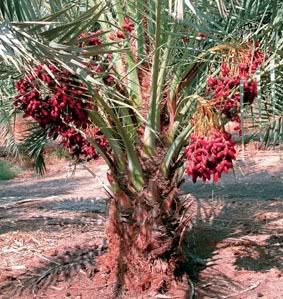
Health Food Nutrition - Less than complete it if the month of fasting, not eating dates during Ramadan. If the fruits usually contain low-energy and calories, it is not the case with dates. With high carbohydrate content, dates to the high energy source as well. Even the highest among all other fruits. That's why palm is suitable to restore energy after a day of fasting. For someone who has enough to eat dates at meal time will become resistant fresh and hungry, because food is also rich in fibers.

Dates fruitcan be eaten directly on the dry or fresh. Dates can also be used for a wide variety of dishes such as bakery products, candies, ice cream, and syrup. In Middle Eastern countries, dates are usually in the consumption of dairy products together. The following is the content of date palm fruit useful to health:

1. Containing high potassium (100 g dried dates: 666 mg of potassium) so nutritious reduce the risk of heart disease and stroke. Potassium is a mineral that is important to smooth the blood vessels, making the heart beat becomes irregular, activating muscle contractions, as well as stabilize blood pressure.

2. Containing high salicylate (dry dates), ie substances that are used as raw materials of aspirin (a reduction of drug/pain relievers and fever). Salicylates are to prevent blood clotting, anti-inflammatory, and pain relievers. Regular low-dose aspirin (less than or half the usual doses taken per day) can help prevent headaches, up to a heart attack and stroke. According Nurfi AFRIANSYAH, Staff Researcher, Research Center for Nutrition Nutrition IEC Bogor, salicylate can also affect prostaglandins, namely the group of fatty acids that stimulate hydroxide smooth muscle contraction and lowers blood pressure.

3. Containing carbohydrate or high sugar. Carb content ranges from 60% in soft dates (which are harvested while still soft and raw) to around 70% on dry dates (which dries up in the trees the sun). 100 gr palm-able to supply 230 kcal (960 kJ) energy. According to dr. Anwar El Multi from Egypt, dates contain 70% sugars and not harmful to health. Most varieties of date palm contain sugar glucose (a type of sugar in the blood) or fructose (the type of sugar in most fruits), this substance is easily digested and burned by the body to produce high power without the body make it difficult to process, digest and make it as a nutrient good. A glass of water containing glucose, according to Dr. David Conning, Director of the British Nutrition Foundation, will be absorbed within 20-30 minutes. While the sugar contained in the new palm-up absorbed within 45-60 minutes.

4. Contains various vitamins and essential nutrients. In every 100 grams of dried dates contained 50 IU vitamin A; 0.4 mg vitamin C; 0.09 mg Thiamin: 0.10 mg Riboflavin, 2.20 mg of Niacin, nicotinic acid and iron. Nutrients that helps release energy, keeping the skin and nerves to stay healthy, and important for cardiac function.

5. Contains many important minerals, like magnesium, potassium and calcium. Dates also contain a kind of hormone potuchsin can shrink blood vessels in the uterus, so that it can prevent the occurrence of uterine bleeding.

6. Low fat content, only 0.4 grams of fat per 100 grams of dates.

By simply eating one extra portion of potassium-rich foods at least 400 mg / day then the risk of fatal stroke can be lowered to 40%. Minimum limit of 400 mg / day are easily met by simply eating dried dates at least about 65 grams, or the equivalent of five-point dates.[eurekaindonesia.org]

Read also the previous post one-million-of-vitamin-benefit

One Million of Vitamin A Benefit

Health Food Nutrition - Vitamin A is a vitamin that can be solved with the four main functions of fat in the body:

1. Vitamin A helps cells reproduce normally be, a process called differentiation. The cells are not differentiated with should be changed to pre-cancer.

2. Vitamin A is necessary for vision. Vitamin A to maintain cell health in a variety of eye structure and is required for the transfer of light into nerve signals in the retina.

3. Vitamin A is required for normal growth and development of the embryo and fetus, influencing genes that determine a series of developments in the organs of embryonic development.

4. Vitamin A is required for normal reproductive function, with influences on the function and formation of sperm, ovaries and placenta.

For some people, these forms of vitamin A supplements that can be solved by the water seems to be better absorbed than vitamin A which is solved by fat.

Liver, products made from milk, and cod liver oil is a source of vitamin A. Vitamin A is also contained in the form of supplements. Vitamin A is usually used in conjunction with some of the conditions below:

1. PRIMARY: anemia (if lack of vitamin A), diseases affecting children, cystic fibrosis, infection, leukoplakia, chicken pox/measles (if lack of vitamin A), short-sighted.

2. SECONDARY: Bronchitis, celiac disease (only if lack of vitamin A), heart attack, immune function, anemia due to iron deficiency, chickenpox/measles (for severe cases), menorrhagia (heavy menstruation), peptic ulcer (acute ulcer), retinitis pigmentosa (eye disease that attacks the retina derivatives), sprainsand strains (injuries to the soft tissues, especially ligaments, tendons, and joints), wound healing.

3. OTHER: acne, supporting the release of alcohol dependence, conjunctivitis / blepharitis, crohn disease (disease in the colon), Diabetic retinopathy (combine with selenium, vitamin C and vitamin E), diarrhea, stomach ulcer, mumps, HIV support, hypothyroid, lung cancer, pap smear (abnormal), health pre-and post-surgery, premenstruasi syndrome, retinopathy (retinal diseases associated with, combine with selenium, vitamin C and vitamin E), sickle cell anemia, urinary tract infections, vaginitis.

Anyone who may lack vitamin A?


People who limit their consumption of liver, the products derived from milk, and vegetables that contain beta-carotene, vitamin A deficiency can experience

Weight infants who at birth was very low (2.2 pounds or 0.99 kg or less) have a high risk of birth with vitamin A deficiency, and injections of vitamin A given to infants has been reported to reduce the risk of lung disease .

Early signs of vitamin A deficiency:

* Lack of night vision
* Dry skin
* Increased risk of infections, and metaplasia (a pre-cancerous condition)
* Severe Vitamin A deficiency, which can cause blindness, extreme environments are rare in western
* Severe Vitamin A deficiency is rare, usually occur because the conditions vary, leading to mal-absorption. Also reported a high incident of vitamin A deficiency in people infected with HIV.

People with hypothyroidism have a weak ability to convert beta-carotene into vitamin A. For this reason, some doctors recommend taking supplements of vitamin A, if they do not consume vitamin A in the amount that should be on eating them.

Very old people with type-2 diabetes showed a decrease of vitamin A in their blood significantly due to age factor, apart from the consumption of vitamin A in its diet.

Saturday Throwback: Dr. Veg-Love, or: How I Learned to Stop Worrying and Love Seasonal Produce

Every Saturday we post an older piece from CHG’s archives. Today’s article comes from August 2007. Thems was good times.

I’ll be honest: when I started researching this article, I assumed 90% of it would focus on cash. Specifically, I thought the money saved from buying in-season fruits and vegetables would far outweigh any other benefit.

Man alive, was I wrong.

Between Google and Nexis, it took approximately 2.2 seconds to discover that snagging chronologically-appropriate produce has massive political, nutritional, emotional, and environmental perks. What’s more, it tastes better. And that’s gotta count for something.

So, without further ado, nine reasons you should raid crops from the seasonal section:

It costs WAY less. Simple economics here: an abundance of anything lowers its price. Plus, because in-season produce is often grown domestically, overseas transportation costs are cut. All told, this means you can save between 10% and 50% on beans, greens, and all the in-betweens. Need proof? Check your berry section, where writer Briony Harmer notes, “strawberries in November … will cost nearly three times more than what you would have paid in June."

It tastes better. When fruits and vegetables are imported off-season, they’re often harvested prematurely, because that way they hold up better in transit. Once the food arrives here, it’s then sprayed with ethylene gas to ripen it artificially. By the time it reaches grocery stores, you’ll see decent color, but the flavor blows. See for yourself: eat a plum tomato in winter, and write down your thoughts. Try another one at the end of the summer. Odds are, the winter tomato will taste like air in comparison.

It’s better for the Earth (probably). The expert consensus is that an average pound of produce travels about 1500 miles. Imported off-season crops can raise that number significantly since they’re coming from all over the world. That scrumptiousness has to be shipped somehow, and it’s usually via truck, train, plane, or boat, all of which consume energy and add to pollution. To give some perspective, in England, “importing just a kilogram of strawberries from America is the equivalent of running a 100 watt light bulb for a week.” Buying seasonal produce can help offset the waste.

(That is, unless you buy this alarmingly convincing article from the New York Times, which pokes some pretty big holes in the transportation argument. Still, it concedes, “the connection between lowering food miles and decreasing greenhouse gas emissions is a no-brainer.”)

It’s healthier. Off-season fruits and veggies tend to lose their nutritional punch over time, since they’re shipped long-distance for weeks and months. As the London Observer reports, “freshly dug potatoes have about 21mg vitamin C per 100g which falls to 9mg after three months of storage.”

What’s more, that produce may not have started out on equal footing to begin with. A 2002 Japanese study found that Vitamin C and carotene are “significantly influenced by the cropping season,” meaning that a carrot grown in winter is missing half the carotene it would have had in the summer. For some reason, spinach, tomatoes, carrots, and broccoli are particularly affected by this, while “sweet peppers, celery, and kiwifruit [are] fairly stable.”

It’s less poisonous. You probably won’t croak eating off-season produce from abroad, but there’s a good chance it harbors more toxins than its in-season counterparts. Why? Well, according to the BioDiversity Project, “Many countries have neither the pesticide regulations nor the labor safety practices that are the law in the U.S., so there's no telling what is on or in your imported fruits and vegetables.” That added flavor you detect? It’s the bitter taste of uncertainty.

It’s in better condition. “Handling and storage … is one of the main problems in the deterioration of produce. From the way the grower packs it, to the loading and off-loading in the truck yard, to the handling in the markets, it all contributes to knocks and bruises that will quickly affect the quality of the produce,” says the Canberra Times. If you’ve ever flown cross-country, you can relate: the further something travels, the worse shape it’s in when it arrives at its destination.

It can be frozen or canned for future use. Imagine having a sweet, delicious blueberry in the middle of March. Now imagine that same piece of fruit hasn’t lost an iota of vitamins, minerals, or flavor because it was iced right after being picked. NOW imagine you’re not spending $6 on a pint of blueberries from the farthest corners of the planet, because you bought it for $2 six months ago and had the forethought to shove it in your freezer. Okay, you’re done imagining. Pat yourself on the back and eat a blueberry.

It’s politically correct (and not in an annoying way). This is a bit difficult to summarize, but I’ll give it a shot: essentially, Third World farmers make more (but not a lot of) money importing specialized off-season produce to richer countries than by growing food for themselves. According to Briarpatch, this not only “threatens the extinction of [their] local crops,” but leads to hunger and “[slavery] to international commodity prices.” Meanwhile, local farmers are hosed by big-name suppliers who purchase cheaper goods from abroad. Buying seasonally benefits everyone more in the long-run.

It’s a mental trigger for the good times. BabyFit.com’s Rebecca Pratt makes a fabulous point: “[Food is] tied to the special days and seasons of our lives: sweet, luscious watermelon paired with the memory of fireflies and fireworks; fragrant hearty soups that temper winter’s chill; sweet young vegetables that accompany spring’s first warm day.” Think about it: on Christmas, do you crave gazpacho? When Easter rolls around, do you drool over the light, airy taste of parsnips? Food is key to socialization, and in-season fruits and veggies can play major parts in our memories.

Of course, none of this information is any good unless you know what produce is ripe at which times. The guides at Food Network, Nutritiously Gourmet, and Cornell University are all good places to start. Consumo felice!
Sources:
  • “Buy Organic and Locally Produced Foods,” BioDiversityProject.org.
  • Dowden, Angela. “The food that's travelled 35,000 miles to reach your plate,” The Daily Mail (London). September 2005.
  • Harmer, Briony. “How to become a vegetarian without increasing grocery bills,” Essortment.com. 2002. essortment.com/food/vegetarianincre_skfk.htm.
  • “How Food Finds its Way to Your Plate,” Talk of the Nation. NPR Radio. November 2006.
  • Lempert, Phil. “The squeeze and sniff test: Tips on how you can pick out fresh fruits and vegetables,” SupermarketGuru.com. April 2002. supermarketguru.com/page.cfm/287.
  • McWilliams, James E. “Food That Travels Well,” New York Times. August 2007.
  • Monks, Helen. “How to buy food that doesn't cost the Earth,” The Independent (London). April 2006.
  • “Pass the fresh test,” Canberra Times (Australia). August 2006.
  • Pratt, Rebecca. “Seasonal Foods Exceptional Flavor & Nutrition that Fits in Your Budget,” Babyfit.com. babyfit.sparkpeople.com/articles.asp?id=669.
  • Ross, Alicia and Beverly Mills. “Save Money: Buy in Season.” Dallas Morning News. July 2007.
  • “Seasonal Vegetables in Temperate Countries,” Food & Fertilizer Technology Center for the Asian and Pacific Region. January 2001. agnet.org/library/pt/2001002/
  • Watson, Julia, “Eat To Live: Buy seasonally, eat healthily,” UPI. Jaunary 2006.
  • Wiebe, Nettie. “Who's cooking the food system? Globalization & the struggle for food sovereignty,” Briarpatch. February 2007.